Compare the change, not just the finish
AI results are most useful when you compare them with the source. This purpose-made Rollip example uses one fictional subject, one crop, and two different editing goals.

What the hairstyle edit changes
The hair transformation changes length, texture, colour, and the outline around the shoulders. Review the forehead, temples, ears, and clothing edges first: those are common places where generated strands must blend with the source.
What the enhancement changes
The enhancement aims for a restrained exposure and colour adjustment. It should remain recognisably connected to the original moment rather than inventing facial details or turning the scene into a different photograph.
What both results should preserve
Identity, expression, skin tone, pose, clothing, and the broad room structure are the useful anchors. Small differences can still occur because the result is generated rather than painted onto selected pixels.
Different tools ask different questions
These previews come from Rollip’s preset library. They show the intended direction of a tool, not a promise that every source photo will produce the same composition.
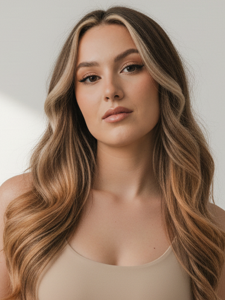
Hair shape and colour
Useful for comparing length, texture, and warmth while checking that the face and lighting remain consistent.
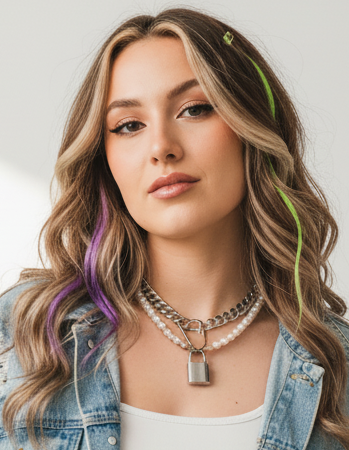
Light and clarity
Useful when the goal is to reveal an existing portrait rather than replace its location, clothing, or identity.
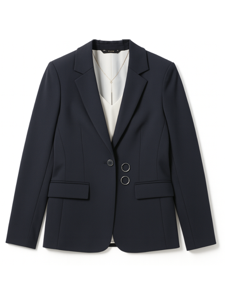
Clothing concepts
Useful for exploring a visual direction. Inspect collars, hands, fabric edges, and how the new garment meets the original pose.
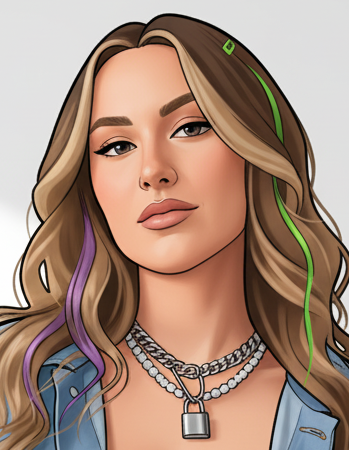
Deliberate stylisation
Useful when interpretation is the goal. The result should still retain recognisable features from the source.